


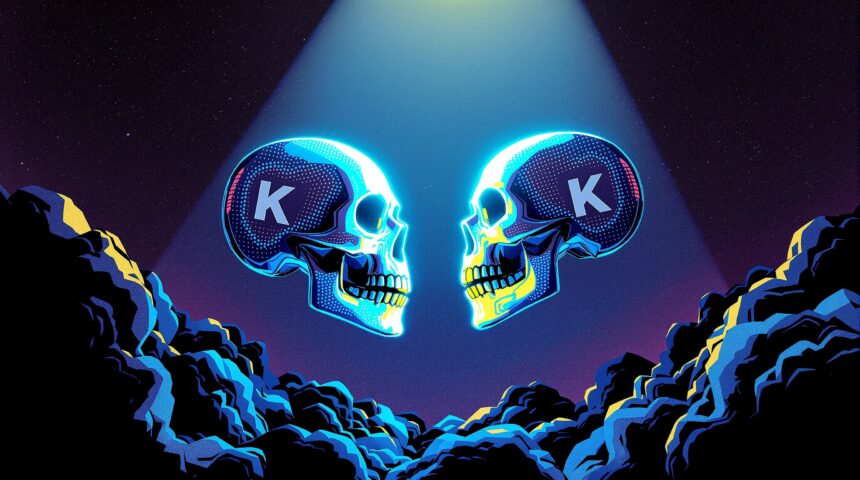

Apple’s Liquid Glass UI has earned a Gold Cube from the Art Directors Club of New York, signaling expert recognition for a design language that has faced persistent user criticism since its debut. The award underscores a disconnect between professional design judgment and consumer reception, as Apple continues to refine the aesthetic across iOS 27 and macOS 27.
Liquid Glass Gains Industry Validation Amid User Skepticism
Introduced to widespread skepticism, Liquid Glass was faulted for being either too transparent or insufficiently so—a paradox that defined its early reception. Apple invested heavily in the interface, iterating through iOS 26 and beyond to strike a balance that now appears to resonate with design professionals.
The Gold Cube honor, alongside awards for Apple’s TV rebrand and select advertisements, validates the underlying engineering and UX thinking. While vocal detractors remain, Apple has reached a stable implementation that serves as a solid foundation for upcoming WWDC refinements.
Tim Cook’s China Visit Signals Strategic Continuity
CEO Tim Cook joined a delegation of U.S. executives accompanying President Donald Trump to China, a trip framed around high-level trade discussions with President Xi Jinping. For Apple, the visit reinforces Cook’s long-established relationship with Trump, a diplomatic asset critical to navigating geopolitical headwinds.
Cook’s presence benefits Apple directly, even as he prepares to transition to executive chairman in the fall. His successor, John Ternus, lacks Trump-era ties, making Cook’s continued political engagement vital for maintaining favorable trade conditions and supply chain stability.
HomeKit’s Missing Category: The Case for Pet Automation
Apple’s HomeKit ecosystem remains notably absent from the growing smart pet device market, leaving automatic feeders and litter boxes reliant on third-party apps. One AppleInsider writer’s experience with a Litter-Robot 5 highlights the gap: no native HomeKit support for cleaning commands or status alerts.
The author advocates for Apple to introduce flexible category definitions at WWDC, enabling manufacturers to expose controls and sensors regardless of existing product classifications. A simple “Clean it now” button or a “full” indicator tied to HomeKit automations would significantly enhance utility for pet owners.
What This Means for Apple’s Ecosystem Strategy
These three stories—design validation, geopolitical maneuvering, and ecosystem gaps—illustrate Apple’s layered challenges. Liquid Glass’s award confirms that professional design standards can diverge from consumer sentiment, while Cook’s China trip underscores the enduring importance of executive diplomacy. The HomeKit pet gap, meanwhile, signals an opportunity for Apple to broaden its smart home platform’s appeal by embracing niche but passionate user segments. As WWDC approaches, Apple has a chance to address both aesthetic evolution and functional expansion, ensuring its ecosystem remains relevant across professional, political, and personal domains.
— Originally reported by AppleInsider. Adapted and republished with editorial context for MacThreat.